
Carbon: a key indicator of soil health
At the heart of regenerative agriculture lies one essential indicator: soil organic carbon (SOC).
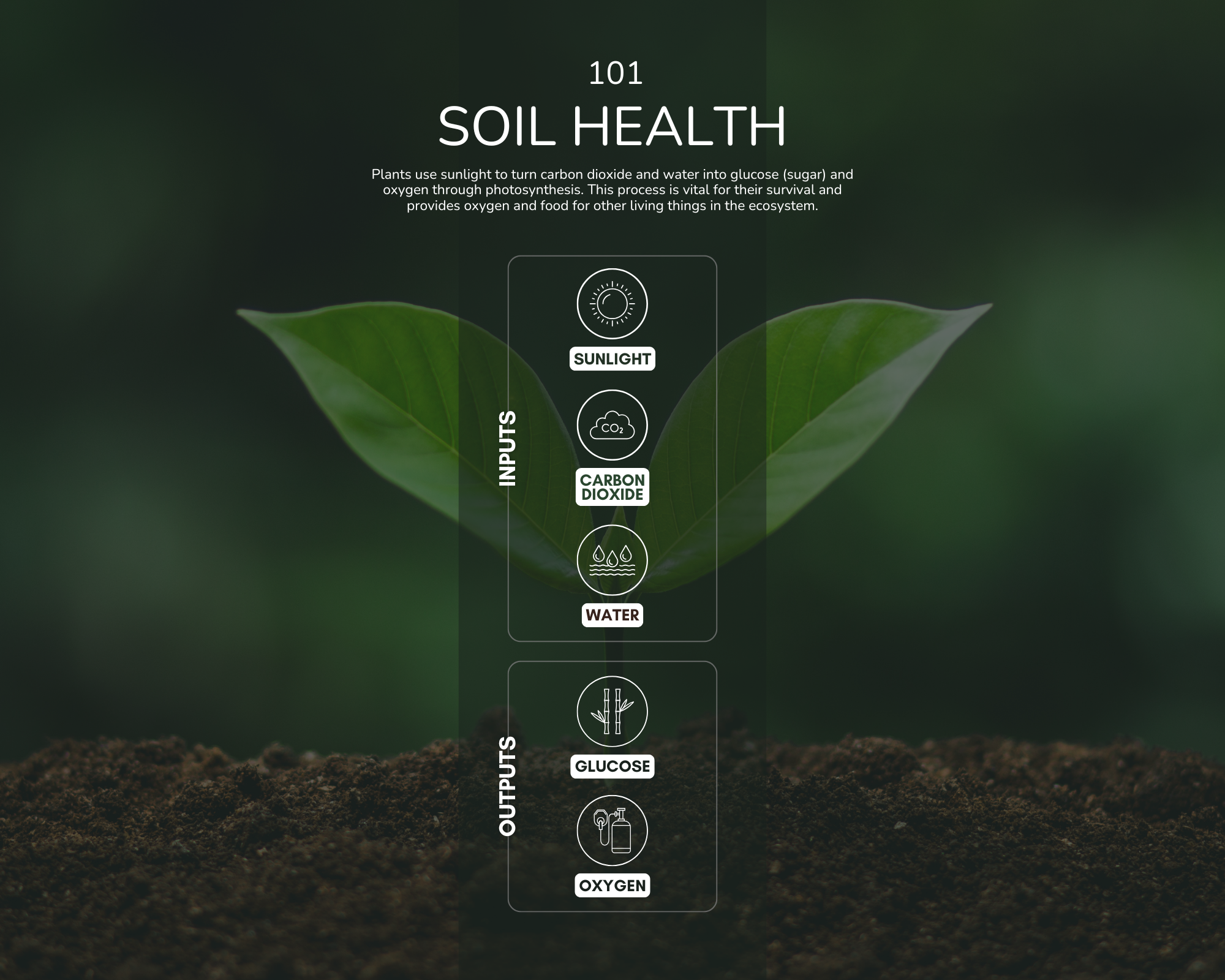
When plants photosynthesize, they capture the CO₂ present in the atmosphere and transform it into organic matter. Part of this carbon is then transferred to the soil through roots and plant residues. There, it can be processed and stabilized by soil microorganisms — a process known as carbon sequestration.
This process is directly tied to regenerative farming practices. Approaches such as cover cropping, reduced tillage, longer rotations, and increased plant biomass all promote the accumulation of carbon in agricultural soils.
A soil rich in organic carbon is:
- a more fertile and more living soil;
- a soil more resilient to droughts and climate variability;
- a soil with a better water-retention capacity;
- a soil that actively helps reduce greenhouse gases.
In other words, sequestering carbon in soils is not only an environmental matter: it is also an agronomic and economic lever.
Today, this sequestered carbon can be measured, documented, certified and, in some cases, valued on voluntary carbon markets. This opens the door to a new opportunity for farmers: turning certain regenerative practices into an additional source of revenue.
This is exactly Sidralys's mission: to make that carbon visible, measurable, and actionable through precision remote sensing and artificial intelligence.